
Gutters & Drainage: Essential for Home Protection and Water Management

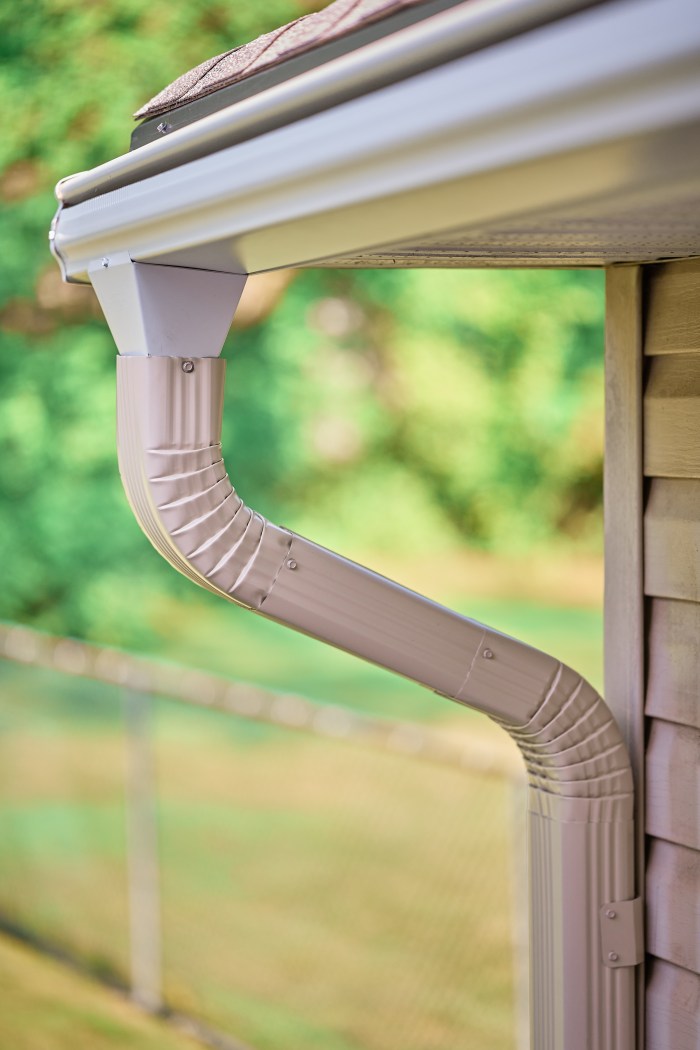
Why Gutters Are Essential
Even with a perfect roof, water needs to be controlled. Gutters channel rain off your roof and away from your foundation, preventing erosion, leaks, and structural damage.
(Here’s a gutter image above)
Types & Styles of Gutters
- K-style (most common): looks decorative.
- Half-round: classic, semi-circular shape.
- Box & fascia gutters: integrated or hidden style.
- Seamless gutters: fewer joints, less chance for leaks.
Materials & Durability
- Aluminum: lightweight, rust-resistant
- Steel / galvanized: strong but may rust over time
- Copper / zinc: premium, aesthetic, patina over time
- Vinyl / PVC: cheap but less durable in extreme climates
Sizing & Capacity
Choose gutter width based on roof area, pitch, rainfall intensity. Oversized gutters reduce overflow risk.
Downspouts, Elbows & Spacing
Downspouts should be placed every 20–40 feet or as needed. Use elbows to route water away from base. Use splash blocks or underground piping to channel water far from foundation.
Installation & Slope
Install gutters with slight slope (e.g. ¼ inch drop per 10 ft) toward downspouts so water flows, not pools. Use proper hangers, brackets, and fasteners.
Leaf Guards & Maintenance
Install leaf guards, mesh covers, or gutter guards to minimize clogging. But still inspect and clean at least twice a year (spring & fall).
Common Problems & Troubleshooting
- Clogs & blockages (leaves, debris)
- Sagging gutters from loose hangers
- Leaks at seams
- Ice dams in cold climates
- Overflow at downspouts
Preventive Care & Maintenance
- Flush with hose to check flow
- Recaulk or seal seams each few years
- Tighten loose brackets
- Inspect after storms for damage
Final Note
Gutters are often overlooked but they protect your home from water damage, foundational issues, and interior leaks. A good gutter system + maintenance = less worry and long-term stability.